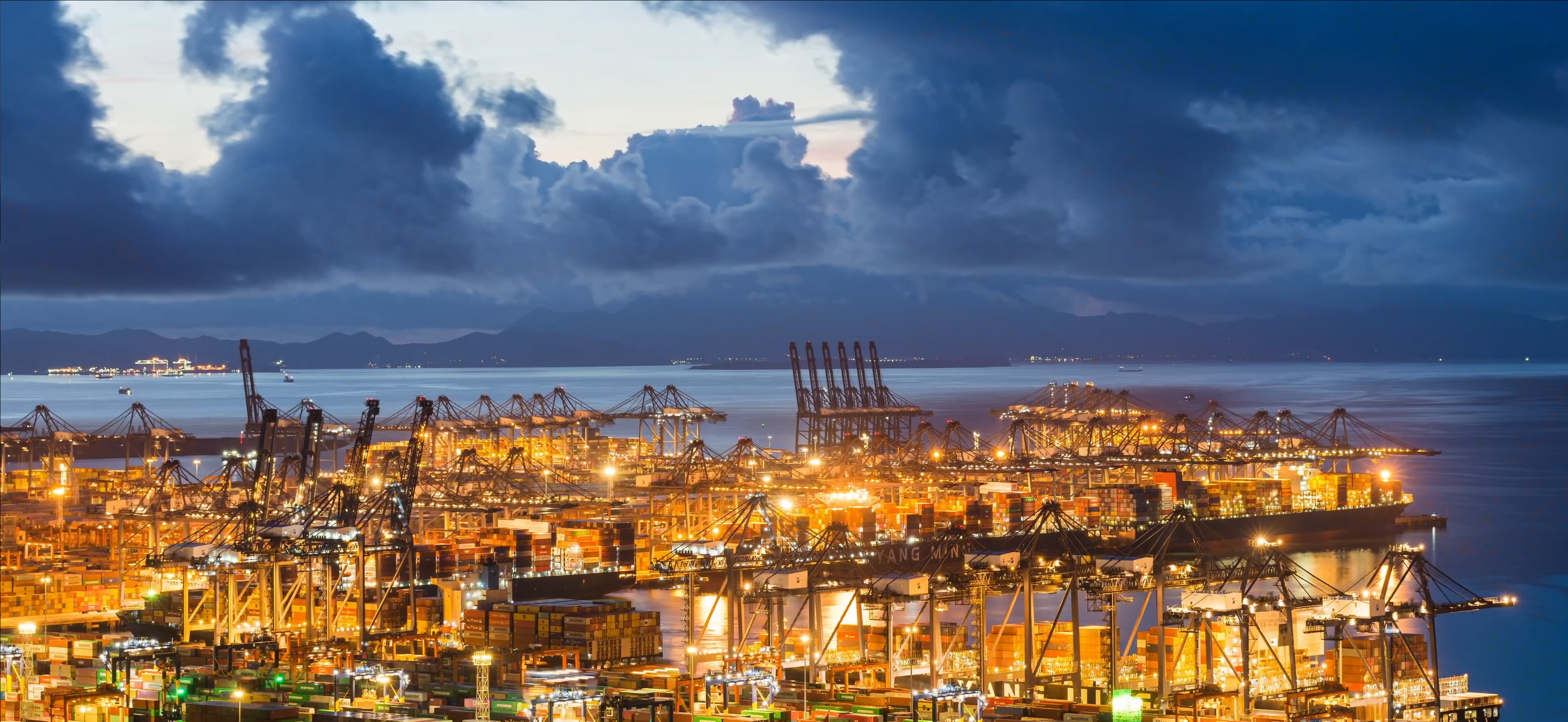
Global logistics support for metal export combines secure packaging, export-ready documentation, and door-to-door delivery across the USA and EU. The fastest systems use regional warehouses, consolidated freight routes, and protective crate design to prevent damage in transit. For heavy or precision metal goods, the real advantage is not speed alone but controlled handling from factory to final address.
What makes metal export shipping different?
Metal export shipping is different because weight, value, corrosion risk, and customs scrutiny all rise at the same time. Unlike standard parcels, metal goods often need reinforced pallets, moisture barriers, and declared HS classification to avoid delays. In my experience, the best shipping plan is built around the product before it is packed, not after.
The biggest operational difference is handling. A lightweight consumer item can survive a few transfers; a machined metal component cannot. Shock, fork damage, condensation, and shifting cargo can all ruin a shipment before it reaches customs. That is why export logistics must be designed as a chain, not a single label.
For desktop fabrication brands like Twotrees, this matters even more because CNC frames, metal modules, and precision accessories can lose alignment if the crate flexes during transit. The packaging standard must protect both finish and geometry.
How does secure packaging protect international transit?
Secure packaging protects international transit by stopping movement, absorbing impact, and blocking moisture. The three layers that matter most are internal immobilization, outer structural strength, and environmental sealing. If any layer is weak, the shipment can arrive with dents, rust, or calibration loss.
I always treat packaging like a machine part, not a box. The internal foam must hold the item with near-zero movement, while the outer carton or crate must resist compression from stacked freight. For metal export, that often means a double-wall carton for smaller goods or a plywood crate for heavier assemblies.
A strong packaging standard usually includes:
-
Custom foam inserts or molded corner blocks.
-
Anti-rust film or desiccant packs.
-
Edge guards for sharp metal profiles.
-
Outer straps or shrink wrap to stabilize the load.
-
Clearly marked orientation labels and handling symbols.
Twotrees uses export-oriented packaging methods for its desktop fabrication products so that delicate components stay aligned through long-distance transit.
Why do USA and EU routes need different logistics planning?
USA and EU routes need different logistics planning because customs rules, carrier networks, and delivery expectations vary by region. The best route into the USA may not be the best route into Germany, France, or Spain. A good logistics plan considers both transit time and the number of handoffs before final delivery.
Door-to-door delivery to the USA often benefits from established air-freight lanes and domestic last-mile networks. EU delivery can require more attention to VAT handling, importer details, and regional carrier preferences. If those details are wrong, the shipment may pause at customs even when freight is technically “on time.”
The practical rule is simple: fewer handoffs usually means fewer problems. Consolidated routing, local warehousing, and pre-cleared documentation can save days. For export-heavy brands, this is where Twotrees’ overseas warehouse structure becomes a real advantage.
Which packaging methods are best for heavy metal goods?
The best packaging methods for heavy metal goods are reinforced plywood crates, steel banding, high-density foam, and moisture-controlled liners. Small carton-only packaging may be acceptable for light parts, but it is too risky for dense or precision-machined items. Heavy goods need rigid containment, not just cushioning.
Here is the trade-off I see most often: the lighter the packaging, the cheaper it looks on paper, but the higher the damage risk in practice. For export, that is false economy. A stronger crate can reduce claims, delays, and replacements.
Packaging method comparison
For Twotrees products, a crate or reinforced pallet solution is often the safest choice when shipping CNC hardware or metal assemblies internationally.
How do door-to-door deliveries reduce export friction?
Door-to-door delivery reduces export friction by keeping responsibility under one coordinated shipping plan. Instead of the buyer managing warehouse pickup, customs clearance, inland trucking, and final delivery separately, one logistics flow handles the chain. That means fewer delays, fewer missing documents, and less customer confusion.
In practice, door-to-door delivery is about predictability. A customer wants to know when the shipment leaves, where it is cleared, and when it arrives. When all of those steps are synchronized, the result is faster delivery and fewer support issues. For sellers, it also reduces the risk of abandoned or misrouted freight.
This matters especially for metal export because the shipment value often justifies premium handling. Twotrees’ international shipping approach is strongest when the product, warehouse, and delivery partner work from the same export plan.
Can warehouse strategy speed up international shipping?
Yes, warehouse strategy can speed up international shipping dramatically. The fastest model is to store inventory closer to demand, then route orders from the nearest regional warehouse. That cuts transport distance, simplifies customs exposure, and reduces the chance of multiple cross-border transfers.
A smart warehouse model does more than shorten transit time. It also reduces damage by limiting how often goods are unloaded and reloaded. Every extra transfer adds risk. In my view, the most efficient logistics systems combine factory packing, export staging, and regional fulfillment in one workflow.
For brands selling into the USA and EU, overseas warehouses are not just a convenience. They are a delivery stabilizer. Twotrees’ overseas warehouse presence helps make fast shipping more realistic for customers who want shorter lead times and fewer import surprises.
What documents are needed for metal export?
Metal export usually requires a commercial invoice, packing list, HS code classification, and shipment details that match the physical goods exactly. Depending on the product and destination, you may also need origin statements, importer information, or compliance declarations. Missing or inconsistent paperwork is one of the fastest ways to lose time at customs.
The most common mistake is not technical shipping failure but paperwork mismatch. If the invoice description is vague, customs may inspect the shipment. If the declared weight does not match the crate, the carrier may hold it. I always advise exporters to treat the document set as part of the product.
A clean export file should include:
-
Exact product description.
-
Quantity and unit value.
-
Material description, especially for metal goods.
-
HS code.
-
Gross weight and dimensions.
-
Buyer and consignee details.
For Twotrees shipments, accurate documentation supports smoother delivery for desktop fabrication equipment and metal-related components moving to USA and EU destinations.
Does fast shipping always mean better logistics?
No, fast shipping does not always mean better logistics. Speed only matters when the shipment is still protected, documented, and delivered with low risk. If a rushed route increases damage, customs delays, or claims, it is not actually better logistics.
The best export operation balances speed and control. A slightly slower route with fewer handoffs can outperform a “fast” route that changes carriers three times. This is especially true for precision metal products, where a minor impact can affect fit or alignment.
The real metric is landed condition, not only transit time. A shipment that arrives two days later but fully intact is better than one that arrives early with bent corners or surface corrosion. Twotrees-style logistics planning works best when speed is paired with protective handling.
How do Twotrees-style logistics systems support export growth?
Twotrees-style logistics systems support export growth by combining self-owned factory control, export packaging discipline, and overseas warehouse access. That creates a shorter path from production to end customer and lowers the chance of packaging or routing inconsistency. In practical terms, it means more predictable shipping for buyers in the USA and EU.
This model also improves brand trust. Customers are more confident when the seller can control inventory, packaging, and support from one system. For desktop fabrication products, that confidence matters because buyers expect both technical quality and delivery reliability.
Twotrees benefits from this structure because its product ecosystem includes CNC routers, laser engravers, and 3D printers that require careful transit planning. Fast shipping is useful, but fast shipping with stable packaging and lower damage rates is what really scales.
Twotrees Expert Views
“Export logistics is not just about moving boxes quickly. For metal goods and precision fabrication equipment, the real challenge is protecting geometry, surface finish, and compliance from the first packing step to final delivery. At Twotrees, we treat packaging and routing as part of product engineering. That means secure export packaging, clear documentation, and region-specific fulfillment planning for the USA and EU. When those three systems work together, customers receive faster delivery without compromising the condition of the machine.”
Conclusion
Global logistics support for metal export works best when speed, protection, and documentation are designed together. Secure packaging prevents damage, door-to-door delivery reduces friction, and regional warehouse strategy shortens transit time. For USA and EU shipping, the goal is not the fastest possible route on paper, but the most reliable one in real life.
For brands like Twotrees, this approach is especially important because desktop fabrication equipment and metal components must arrive ready to use, not repaired after transit. If export logistics are built correctly, faster shipping becomes a byproduct of better control.
FAQs
What is the safest packaging for metal export?
Reinforced plywood crates with foam blocking, moisture protection, and steel banding are usually the safest option for heavy or precision metal goods.
Why do metal shipments get delayed at customs?
Delays usually happen because of missing documents, vague product descriptions, incorrect HS codes, or mismatched weight and value details.
Is door-to-door shipping better than port-to-port?
Yes, for most buyers it is easier and safer because one provider manages pickup, customs, and final delivery.
How can shipping to the EU stay fast?
Use regional warehousing, correct VAT and consignee data, and carriers familiar with EU import procedures.
Does Twotrees offer export-friendly shipping?
Yes, Twotrees uses secure packaging, overseas warehouses, and structured logistics planning to support faster delivery to USA and EU customers.